What is a Cryptocurrency Wallet?

Introduction
Most people discover crypto from the exciting side: buying Bitcoin, watching charts move, maybe sending their first transaction. The wallet usually feels like a technical detail you deal with later – and that is exactly where many beginners go wrong.
For a long time, crypto wallets were treated as a necessary but boring tool. You downloaded one because the exchange told you to, clicked a few buttons, and hoped everything worked. User experience, spending options, and day‑to‑day usability were an afterthought. Today, that has changed completely. Wallets now sit at the center of the entire crypto journey: investing, trading, DeFi, NFTs, and even paying for coffee with digital assets.
At the same time, this is also where a lot of people make their first expensive mistakes. They save recovery phrases in cloud notes, send funds on the wrong network, or click on a fake “support” link when markets are volatile. In most cases, it is not blockchain technology that fails – it is human error and weak security habits.
That is why understanding what a crypto wallet actually is has become so important. A modern wallet is not just a place to “store coins”. It is the control panel that manages your keys, connects you to blockchain networks, and increasingly lets you spend, borrow, and earn with your assets in the real world. Platforms like XPlace are pushing this shift further by combining familiar wallet functions with tools for payments, rewards, and integrated digital finance.
In this guide, you will learn what a crypto wallet is, how it works behind the scenes, which types of wallets exist, and how to choose a setup that matches your goals. By the end, you will not only understand the theory but also know how to avoid common mistakes and keep your crypto safe while actually using it.
What Is a Crypto Wallet?
Here is where things often become confusing for beginners: a crypto wallet does not actually “hold” your coins the way a physical wallet holds cash. Your assets stay on the blockchain at all times, recorded on a decentralized ledger that thousands of computers maintain together. The wallet is the tool that lets you see those balances, manage them, and prove that you are the one allowed to move them.
Technically, a cryptocurrency wallet manages the cryptographic keys required to interact with blockchain networks securely. When you send or receive funds, the wallet uses these keys to sign transactions and broadcast them to the network, without exposing the keys themselves. Without a wallet – and without those keys – you cannot access, send, or control your digital assets, even if they “belong” to you on paper.
A simple way to think about it is to compare a wallet to your email setup. Your public wallet address works like an email address that other people can safely send money to. Your private key, on the other hand, is like the password that proves you are the owner of that account – and unlike traditional online services, there is usually no “forgot password” button if you lose it. That is one of the key reasons why crypto security and proper wallet management matter so much.
Modern crypto wallets come in different forms – mobile apps, browser extensions, desktop applications, and dedicated hardware devices – but they all serve the same core purpose: managing your keys and connecting you to blockchain technology. As wallets evolve, they increasingly go beyond basic storage, offering features for spending, earning rewards, accessing DeFi, and integrating crypto into everyday financial life.
Definition and Key Concepts
Before understanding how crypto wallets work, it helps to understand a few concepts behind cryptocurrency itself.
Don’t worry. We’ll keep this simple.
Blockchain Technology
Many beginners hear the word “blockchain” constantly without really understanding how it fits into the wallet picture. Blockchain technology is best thought of as a distributed ledger where transactions are grouped into blocks, linked together, and validated by a network rather than a single central authority. Once recorded, these transactions are extremely difficult to alter, which is what gives blockchain-based assets their integrity and transparency.
Your wallet sits on top of this infrastructure and acts as your personal gateway. It does not run the blockchain itself but connects to nodes that do, allowing you to check balances, send funds, and interact with decentralized applications. Without wallets, crypto would remain a niche technology used mostly by developers, because direct interaction with raw blockchain data is far too technical for everyday users.
Over time, wallets have become more than simple access tools. They increasingly integrate features that make blockchain technology feel more like a familiar financial experience: payment options, rewards, DeFi access, and multi-chain support all inside a single interface.
Coins vs Tokens
People often use these terms interchangeably, but technically they’re different.
Coins operate on their own blockchain.
Examples include:
- Bitcoin (BTC)
- Ethereum (ETH)
- Solana (SOL)
Tokens are built on top of existing blockchain networks.
Examples include:
- USDT
- LINK
- UNI
- many NFT assets
Modern wallets are usually designed to be multi-chain and multi-asset, so a single interface can manage both coins and tokens across several networks. As portfolios spread across more ecosystems, this multi-chain support becomes critical to avoid juggling multiple separate wallets.
Public and Private Keys
Every crypto wallet is built around two fundamental elements: a public key and a private key. Your public key (often represented as a wallet address) works similarly to an account number; you can share it safely so people or platforms can send you funds.
Your private key is different. It is the confidential piece of information that proves you own the assets and allows the wallet to sign transactions on your behalf. Whoever controls the private key effectively controls the funds linked to it, which is why experienced users treat private keys and recovery phrases like highly sensitive information.
Many non-custodial wallets generate a recovery phrase (or seed phrase), typically 12 or 24 words, that can recreate your keys if you lose your device. This phrase is the master key to your wallet, so storing it in screenshots, email, or cloud notes is extremely risky; offline, secure storage is strongly recommended.
Types of Cryptocurrency Wallets
There is no single “best” crypto wallet, because the right setup depends on how you use crypto and how much risk you are willing to take. Active traders, casual users, and long-term holders all have different priorities, so they often combine several wallet types instead of relying on just one.
Key wallet categories:
- Software wallets: apps and browser extensions that stay online and focus on speed and convenience.
- Hardware wallets: offline devices that store private keys away from constant internet exposure.
- Custodial wallets: third-party services (often exchanges) that hold keys on behalf of the user.
- Non-custodial wallets: tools where the user controls private keys and recovery phrases directly.
- Multi-signature wallets: setups that require multiple approvals to move funds, often used by teams and organizations.
Overview of wallet types
Software Wallets
Software wallets are the most common option for beginners because they’re easy to access from:
- phones
- browsers
- desktops
Convenient? Definitely.
But convenience usually comes with tradeoffs.
Because these wallets stay connected to the internet, they’re naturally exposed to more phishing attempts and malware risks.
I always explain to my friends who ask – A Soft wallet is like having a pocket full of cash in a busy city, you can walk around and if you’re careful you can make it home without having it stolen.
Hardware Wallets
If you’re storing larger amounts of crypto long term, hardware wallets are generally considered the safer route.
These are physical devices storing private keys offline instead of constantly exposing them to the internet.
Less convenient day to day? Sure.
Safer overall? Usually, yes.
Most experienced crypto users eventually end up using a combination of:
- hot wallets for convenience
- hardware wallets for larger holdings
That balance tends to make the most sense.
If we use the same analogy as I gave for software wallets, instead of having your cash in your pocket, you now have the cash in your safe at home and you are carrying your key in your pocket. This is the hardware wallet.
Custodial vs Non-Custodial Wallets
Custodial wallets are managed by third parties like exchanges.
This means the platform controls your private keys on your behalf.
Non-custodial wallets are different. They allow users to control their own keys directly.
This gives:
- stronger ownership
- greater decentralization
- more privacy
But it also means users become fully responsible for their own security.
Lose your recovery phrase?
That can become a very expensive mistake.
Multi-Signature Wallets
A multi-signature wallet requires multiple approvals before transactions can be executed.
For example:
- 2 out of 3 signatures required
- shared treasury management
- business crypto asset management
This reduces single points of failure and adds another layer of wallet protection.
Especially for organizations or teams managing larger amounts of digital assets.
How Does a Crypto Wallet Work?
Most people imagine cryptocurrency physically moving from one wallet to another, but that is not what really happens. The coins themselves remain on the blockchain, and the wallet simply updates who is allowed to control them by signing and broadcasting transactions.
At a high level, a wallet creates a transaction, signs it with your private key, sends it to the network, waits for confirmation, and then shows the updated balances. Underneath this simple flow is advanced cryptography, but the wallet hides that complexity so you can move assets with just a few clicks.
In simple terms, a crypto wallet:
- Generates and stores your public and private keys securely.
- Creates transaction requests when you send funds or interact with apps.
- Signs those requests with your private key without exposing it.
- Broadcasts signed transactions to the blockchain network.
- Reads the blockchain to display your updated balances and activity.
Understanding Public and Private Keys
Public wallet addresses are designed to be shared, and you can think of them like an email address for receiving digital money. Anyone who knows your address can send assets to it, but that alone does not give them control over your funds.
Private keys work very differently. They are the critical secret used to sign transactions and prove to the blockchain that the transfer request is coming from the legitimate owner of the assets. Because blockchain transactions are typically irreversible, losing control of your private key often means permanently losing control of your funds.
When you use your wallet to send crypto:
- You enter a destination address and amount.
- The wallet prepares a transaction referencing your address and the recipient’s.
- Your private key signs this transaction locally inside the wallet.
- The signed transaction is broadcast to the blockchain network for validation.
- Once confirmed, the network updates the ledger, and your wallet shows the new balances.
Good security habits revolve around this process: protecting private keys, keeping recovery phrases offline, and never entering sensitive information on untrusted sites or apps.
Wallet Software vs Hardware
From a security and usability perspective, most setups revolve around two main approaches: software wallets and hardware wallets. Both manage your keys and sign transactions, but they handle private key storage in very different ways.
Software wallets live on internet-connected devices like phones, browsers, or desktops and prioritize accessibility and speed. Hardware wallets are dedicated devices that keep private keys offline and only sign transactions in a controlled environment, which reduces the attack surface.
Many experienced users combine both approaches in a single strategy. They keep smaller, “spending” amounts in a software wallet for convenience, while storing the bulk of their long-term holdings in a hardware wallet for added protection.
Typical combined setup:
- Software wallet for daily payments and interacting with DeFi or NFT platforms.
- Hardware wallet for savings and long-term investment positions.
- Transfers between the two only when needed, with extra checks on addresses and networks.
The Role of Blockchain in Crypto Wallets
Your wallet is ultimately just the interface; the real record of your assets lives on the blockchain. When a transaction is confirmed, the blockchain updates the ownership data, and your wallet reads that information to display new balances.
Beyond simply showing numbers, modern wallets use blockchain connectivity to unlock much more. They connect to decentralized apps, enable staking and lending, and, in ecosystems like XPlace, bridge the gap between holding crypto and actually spending its value in everyday life through integrated payment and credit tools.
In the broader crypto experience, a wallet:
- Displays balances across one or multiple blockchain networks.
- Signs and sends transactions that the blockchain then verifies and records.
- Connects directly to DeFi platforms, NFT marketplaces, and other dApps.
- Integrates with payment rails, rewards, and credit lines in modern ecosystems like XPlace.
- Acts as the main control panel for how you access and use your digital assets day to day.
Platforms like XPlace are helping reduce that friction by connecting crypto wallet functionality with spending tools and integrated financial experiences.
It is common knowledge that many users have invested in crypto over the last decade, some users are still holding assets that they don’t want to sell. I have met many BTC whales who are looking for a way to spend the value of their assets without selling them. With XPlace, they can do this. They can deposit their BTC into the wallet, which will open up a USDC credit line against the BTC whilst the BTC earns yield by being plugged directly into DeFi. They never sell their BTC and better yet, they can pay the collateral off anytime.
How to Choose the Right Crypto Wallet
Choosing a crypto wallet is less about finding a perfect product and more about matching the wallet to how you actually use crypto. A day trader, a casual DeFi user, and a long-term Bitcoin holder will naturally prioritize different things, from speed and convenience to security and offline storage.
For most beginners, the best setups are surprisingly simple. Instead of building a complex system from day one, it is usually smarter to focus on strong security habits, reliable backups, and a wallet that supports the assets and networks you care about.
Key factors when choosing a wallet
- Your goals: trading, investing, DeFi, everyday spending, or a mix of all.
- Your experience level: complete beginner vs experienced crypto user.
- Your risk tolerance: how much you are willing to self-manage security.
- The size and time horizon of your holdings: small, active balance vs long-term stack.
- The blockchains, tokens, and features you need today and likely in the near future.
Consider Security Features
When evaluating wallets, security should always come first.
Look for these main things when shopping for your next wallet:
- two-factor authentication
- biometric login
- encrypted backups
- multi-signature wallet support
Don’t make the same mistake most beginners do and focus entirely on features.
All experienced users I know focus on risk management.
There is a big difference.
My opinion is straightforward, always do your own research (DYOR), never aimlessly deposit funds without first checking all the information regarding security and even audits. Protect yourself people.
Type of Wallet: Hot vs Cold
Another key decision is whether your primary wallet will be hot or cold. Hot wallets are connected to the internet, while cold wallets keep private keys offline. Neither option is universally better; the right choice depends entirely on how you use crypto and how much convenience you are willing to trade for additional security.
In practice, many users end up with a hybrid approach: hot wallets for flexibility and cold storage for long-term holdings. The important part is understanding what each category is designed for so you do not rely on the wrong tool in the wrong situation.
Examples of when each makes sense
- A trader moving funds many times a day will usually prefer a secure hot wallet for speed, accepting higher exposure in exchange for flexibility.
- A long-term investor with a significant position will usually prioritize cold storage and only move funds occasionally.
- Many users keep a small “spending” balance in a hot wallet and store the majority of their holdings in cold storage.
Supported Cryptocurrencies and Features
Before choosing a wallet, always check:
- supported blockchain networks
- NFT compatibility
- staking support
- DeFi integrations
- cross-chain functionality
If somebody actively uses multiple ecosystems, multi-chain support becomes incredibly useful over time.
Especially as portfolios grow.
Wallets for Different Purposes
Different people use crypto for very different reasons: some trade actively, others hold long term, and many simply want an easier way to pay for everyday things. Because of this, there is no single wallet configuration that fits everyone; instead, it makes sense to match your wallet setup to the specific job you need it to do.
In practice, most users end up combining more than one wallet. A simple, beginner-friendly app might handle small balances and daily actions, while a more advanced or hardware-based setup protects long-term holdings in the background.
For Beginners
For beginners, the main priority is not squeezing every possible feature out of a wallet-it is understanding the basics without feeling overwhelmed. A clean interface, simple onboarding, and clear guidance around recovery phrases often matter more at this stage than advanced DeFi integrations.
Many new users start with custodial or semi-custodial setups because they feel similar to traditional online banking. Over time, as their confidence grows, they often move toward self-custody and more control over their keys.
Beginner-friendly wallet traits
- Simple, intuitive design with minimal jargon.
- Mobile accessibility and quick setup.
- Clear, step-by-step instructions for backups and recovery.
- Strong defaults for security (for example, encouraging 2FA).
- Optional connections to educational resources and tutorials.
For Traders
Active traders care deeply about speed, reliability, and access to liquidity. They often move funds frequently between exchanges, on-chain protocols, and different networks, so a wallet that slows them down can quickly become a bottleneck.
For this group, performance and integrations are almost as important as security. Browser wallets, exchange-linked wallets, and mobile apps with strong support for popular trading ecosystems tend to be the most useful.
Trader-oriented wallet traits
- Fast transaction execution and responsive interfaces.
- Smooth integration with centralized and decentralized exchanges.
- Easy access to multiple networks used for trading.
- Clear transaction previews to reduce costly mistakes in volatile markets.
- Support for tools like portfolio trackers and trading dashboards.
For Long-Term Investors
Long-term holders tend to prioritize maximum security and peace of mind over day-to-day convenience. They might not move assets often, but they want to be confident that their positions will remain protected for years.
For this purpose, cold storage setups and hardware wallets are common, often combined with offline backups of recovery phrases and carefully documented recovery procedures. The goal is to minimize attack surfaces while still ensuring that funds can be accessed when needed.
Long-term investor wallet traits
- Hardware or other cold-storage solutions for private keys.
- Redundant, offline backups of recovery phrases in secure locations.
- Simple, repeatable process for accessing funds when necessary.
- Minimal exposure to day-to-day browsing and app usage.
- Optional use of multi-signature setups for larger treasuries.
For Everyday Spending
As crypto adoption grows, more users want wallets that work not just as storage, but as practical payment tools for daily life. This is where spending-focused wallets and integrated card solutions become increasingly important.
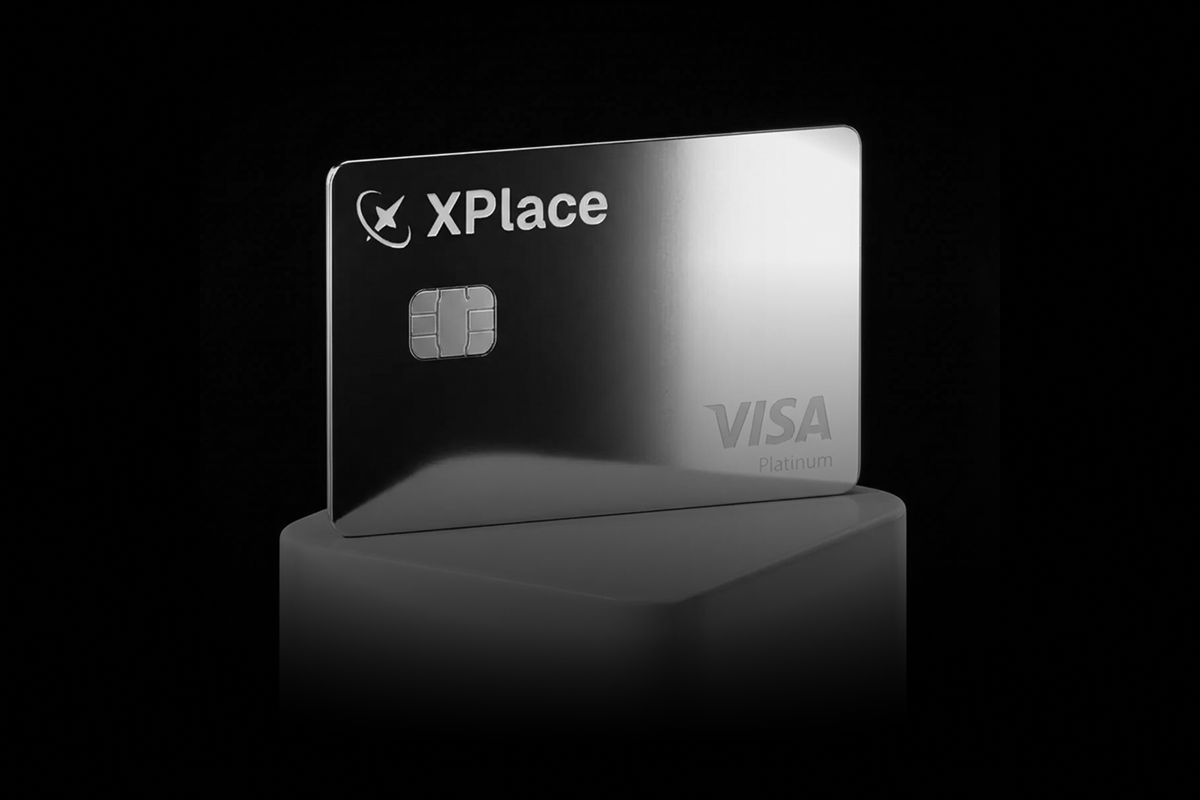
Ecosystems like XPlace aim to bridge the gap between holding digital assets and using them in the real world. For example, users can deposit BTC, open a USDC credit line backed by that collateral, and spend via card while the underlying BTC continues to earn yield in DeFi-without needing to sell the asset itself.
Everyday spending wallet traits
- Direct payment integration (cards, virtual cards, or payment apps).
- Rewards and perks aligned with how users actually spend today.
- Smooth conversion or credit mechanisms that avoid forced selling of core holdings.
- Strong security despite the higher frequency of transactions.
- Clear visibility into spending, fees, and available credit or balances.
People no longer want crypto to feel isolated from daily life.
They want to actually use it.
It is interesting to see the types of rewards and spending that occur nowadays, previously with top tier banks – users were mainly interested in travel perk rewards as they were normally on the road. This may be a sign of the times, the feedback I am getting from crypto users is that they are in need of subscription based services such as AI and Trading tools. I see users today benefiting from cards such as XPlace because of these services, don’t get me wrong – crypto users still like to travel but mainly for leisure.
Understanding Wallet Security
Most crypto security mistakes are surprisingly ordinary.
People:
- rush transactions
- click fake links
- reuse passwords
- store recovery phrases somewhere convenient instead of somewhere secure
Sounds ridiculous until you realize how often it actually happens.
One thing that catches beginners off guard is how irreversible blockchain transactions usually are. If assets are sent incorrectly or private keys become compromised, there often isn’t a support line capable of reversing everything afterward.
That responsibility shift is one of the biggest mindset changes in crypto.
Protecting Your Recovery Phrase
Your recovery phrase is effectively the master key to your wallet.
Never:
- screenshot it
- email it to yourself
- store it in cloud notes
- share it online
Offline storage remains the safer approach.
Avoiding Phishing Attacks
Phishing scams remain one of the biggest threats in crypto.
Scammers frequently impersonate:
- exchanges
- wallet providers
- customer support teams
And honestly, many of the scams are not particularly sophisticated.
People just rush.
Especially late at night or during volatile market conditions.
One of the first things you get told when you enter the crypto world is this – do not click on any links EVER. In my experience, this was one of the most important pieces of advice you can receive. Scammers usually reach out to you first and prompt you to click on a link, you have the upperhand here. If you do not know this person, do not engage. These scammers are looking for an easy way to access your funds, do not give it to them. Examples I have seen of scam links include, fake giveaways, fake rewards, and even fake meeting links. Once again, if you do not know these people, it is safer to not engage at all. With this being a rule of thumb, if your boss sends you a meeting link, it is best to attend and not to ignore.
Common Mistakes When Using Crypto Wallets and How to Avoid Them
Most crypto losses do not happen because blockchains fail. They happen because people rush, click the wrong link, store recovery phrases in the wrong place, or send assets on the wrong network. The good news is that most of these problems are preventable once you know what to watch out for.
Using a crypto wallet safely is less about memorizing every technical detail and more about avoiding a few repeat patterns that keep catching beginners off guard. If you build strong habits early, you dramatically reduce the chances of making an irreversible mistake later.
Sending Assets on the Wrong Network
Some tokens exist across multiple blockchain networks, which can make transfers confusing. If you send a token using the wrong network or to an incompatible address, those assets can become effectively unrecoverable.
This risk is especially high when people are tired, in a hurry, or trying to save on fees by switching networks without fully understanding the implications. One rushed transaction can turn into a permanent loss.
How to avoid network mistakes
- Always double-check both the wallet address and the chosen network before sending.
- Confirm that your destination wallet supports the specific token on that specific chain.
- Start with a small test transaction when using a new wallet or network.
- Avoid sending funds when you are tired, distracted, or under time pressure.
Falling for Fake Wallet Apps
Fake wallet apps and websites still appear regularly in app stores, search ads, and sponsored links. At a glance, they can look almost identical to the real thing, but are designed to steal your keys or trick you into sending funds to an attacker.
These scams often rely on people taking shortcuts, such as clicking the first result in a search engine or trusting an unverified link. Once a seed phrase or private key is entered into a malicious app, the damage can be immediate and total.
How to avoid fake apps
- Download wallets only from official websites or verified app store profiles.
- Cross-check links using an official X, Discord, or Telegram channel before installing anything.
- Be wary of sponsored search results or ads that mimic well-known brands.
- Never enter your recovery phrase into a new app or website “to verify” your account.
Ignoring Backups
Many users put off backing up their recovery phrase because everything is working fine at the moment. Unfortunately, that mindset usually changes only after a device is lost, damaged, or reset-and by then, it is often too late.
A recovery phrase is effectively the master key to your wallet. If it is never written down, or written down once and then misplaced, you are one accident away from losing access to your assets permanently.
Storing Everything on Exchanges
Centralized exchanges are convenient, but they are not risk-free. History has shown that exchanges can freeze withdrawals, suffer hacks, or even become insolvent, leaving customers with limited options.
When you hold assets on an exchange, what you really have is a claim on those assets-not direct control of the private keys. Many experienced users therefore withdraw at least part of their holdings to private wallets they control themselves.
But history has shown they can:
- freeze withdrawals
- experience hacks
- become insolvent
That’s one of the reasons many experienced users eventually move assets into private wallets.
It is better to be in control of your own assets, with the exchanges, when you purchase crypto – It effectively becomes an IOU. Once you withdraw from the exchange to your own wallet you now have control of your assets.
In a way, it works almost like a traditional bank – the bank has a bunch of funds and as the user you have credit for how much of the funds you are owed. I would argue that the funds are only yours once they are in your hands. The same relationship works for the exchanges.
There have been occasions where users have purchased crypto assets from an exchange and the exchange has been compromised, I would always get into the habit of withdrawing from an exchange after making a purchase.
Conclusion
Crypto wallets have evolved far beyond simple storage tools. Today, they act as the main gateway to blockchain networks, giving users a way to manage digital assets, connect to decentralized applications, and increasingly use crypto in practical, everyday situations.
That evolution also comes with more responsibility. Understanding how wallets work, choosing the right setup, and building strong security habits are now essential parts of using crypto safely and confidently.
As adoption grows, users are likely to expect wallets to feel less technical and more useful in real life. That is why platforms like XPlace are focusing not just on storage, but on usability, spending, rewards, and integrated financial tools that make crypto easier to use without forcing people to sell their assets outright.
In the end, the most important shift is simple: once crypto stops being just an investment story, the wallet becomes the tool that makes digital assets usable. And for most users, learning how to choose and protect that tool is one of the smartest first steps they can take.
FAQ
-
What is a crypto wallet?

“Wallet crypto” usually refers to a cryptocurrency wallet used to send, receive, and manage digital assets such as Bitcoin, Ethereum, or stablecoins. In practice, it can mean a mobile app, browser extension, desktop program, or hardware device that helps you control your funds and interact with exchanges, DeFi protocols, and other crypto services.
-
What is a blockchain wallet?
A blockchain wallet is a digital wallet that lets you interact directly with blockchain networks, view your balances, and sign transactions using cryptographic keys. Instead of holding coins inside the app, it manages the keys that control assets recorded on the blockchain and provides a secure interface for sending, receiving, and storing cryptocurrency.
-
How do crypto wallets work?
Crypto wallets work by generating and managing a pair of keys: a public key, which you can share to receive funds, and a private key, which is used to sign transactions securely. When you send crypto, the wallet creates a transaction, signs it locally with your private key, broadcasts it to the blockchain network, and then displays your updated balance once the transaction is confirmed.
-
What is the safest type of crypto wallet?
Hardware wallets are generally considered among the safest types of crypto wallets because they store private keys offline and sign transactions inside a dedicated device. This greatly reduces exposure to malware and phishing attacks that target internet-connected devices, making hardware wallets well suited for long-term storage and larger balances.
-
Can crypto wallets be used for spending?
Yes. Many modern wallet ecosystems now support direct spending functionality, payment cards, and rewards, allowing users to pay for everyday goods and services while still managing their digital assets in one place. Platforms like XPlace go further by offering credit lines backed by crypto collateral, so users can spend against their holdings without necessarily selling them.
Related articles