Credit Card Comparison: How to Find the Best Credit Card for You

Typing “best credit cards 2026” into a search engine returns long lists with logos, bullet points and sign‑up bonuses. That can be useful, but it does not answer the real question behind the searches: “which credit card is best for me?”
A credit card comparison done properly looks different. Instead of starting from whatever issuers are promoting this month, you start from your needs, habits and risk tolerance. Then you compare credit cards side by side and ask whether each card’s features and costs help you reach your goals.
This guide walks through:
- why credit card comparison matters;
- how to define what you want from a card before comparing offers;
- main card types and their typical benefit structures;
- a step‑by‑step process for how to compare credit cards;
- and how to move from “compare best credit cards” intent to a clear answer for what credit card is best for me.
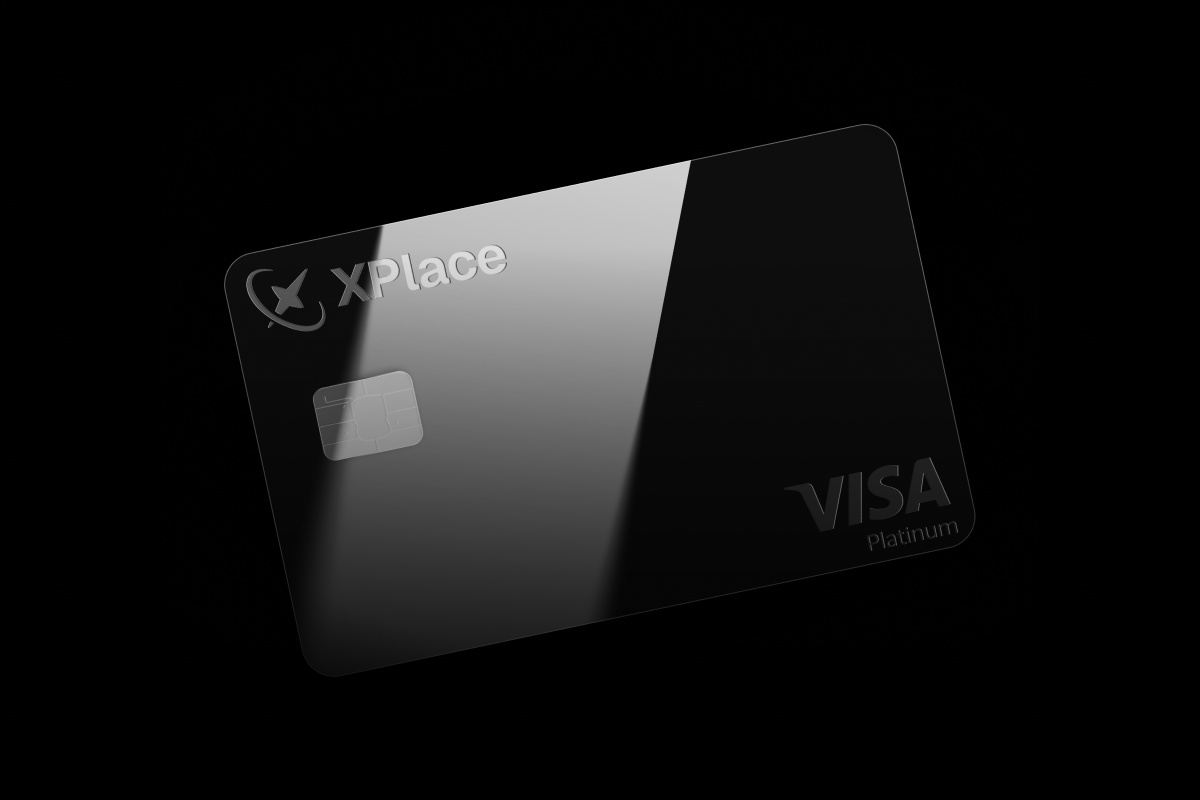
It also shows where XPlace fits into this bigger picture. XPlace is not just another rewards card; it is a crypto credit card that uses your digital assets as collateral. That is a different category that can make sense once your financial life includes crypto and you want your card to reflect that.
Why Credit Card Comparison Matters
Credit cards are tools. Used well, they can:
- smooth cash flow;
- earn rewards on spending you already plan to do;
- offer purchase protections and travel benefits;
- help debt consolidation at lower rates.
Used casually, they can:
- add expensive interest to everyday purchases;
- encourage spending beyond your means;
- complicate your finances with overlapping fees and terms.
Comparing cards before applying helps you avoid:
- taking a card that is strong on bonuses but weak on long‑term fit;
- paying for features you do not use (for example, premium travel perks when you rarely travel);
- missing better options for your credit score range.
A good credit card compare process forces a pause: what do you expect from this card, what will it cost you, and how does it behave when things go wrong?
Step 1 – Understand What You Want From a Credit Card
Before you compare credit cards, be clear on why you want one.
Common primary goals:
- Rewards – earn cash back or points on everyday spending.
- Low interest or 0% intro APR – reduce the cost of carrying a balance or making a large purchase.
- Balance transfers – move existing high‑interest debt to a more manageable card.
- Credit building – establish or rebuild credit history with structured use.
- Travel benefits – access lounge visits, insurance and partner perks.
Ask yourself:
- Do you plan to pay your statement in full every month, or do you expect to carry balances sometimes?
- Are you more motivated by cash back, travel points, or simplicity?
- Do you have existing card debt that needs attention?
- How much annual fee are you willing to pay for benefits?
The answer shapes which cards make sense to put into your credit card comparisons. A premium travel card is wasted on someone who never leaves their city; a basic card may disappoint a heavy traveller.
Step 2 – Learn the Main Types of Credit Cards
Knowing the main card categories helps you organize your credit card benefits comparison.
Broad card types include:
- Rewards credit cards
- Earn points, miles or cash back on purchases.
- Often best for people who pay in full monthly and want extra value from normal spending.
- Cash back credit cards
- Provide a percentage of each purchase back as statement credit or cash.
- Good for simple value without worrying about points and transfer partners.
- Travel credit cards
- Earn travel points or miles, with perks like lounge access, travel insurance, and partner discounts.
- Best for travellers who can use those perks and understand the program.
- 0% intro APR cards
- Offer a promotional 0% APR on purchases for a set period.
- Useful for financing a big planned expense and paying it off over time.
- Low interest credit cards
- Focus on a lower ongoing APR rather than rewards.
- Suitable for people who expect to carry balances and want predictable costs.
- Balance transfer credit cards
- Designed to move high‑interest debt to a new card with 0% or lower intro APR.
- Best when paired with a clear payoff plan.
- Credit‑building cards
- Secured or subprime cards for building or rebuilding credit.
- Focus on reporting and responsible use, not on flashy rewards.
- Crypto credit cards (like XPlace)
- Use digital assets as collateral for a credit line.
- Allow you to spend fiat while your crypto stays invested and potentially earns yield.
This overview lets you decide which category to focus on when you compare best credit cards. A card can belong to more than one category, but usually has a primary “job.”
Step 3 – How to Compare Credit Cards Side by Side
Once you know what you want and the basic types, you can compare credit cards side by side more effectively.
Key dimensions to compare:
- Rewards structure
- Cash back rate or points per dollar.
- Categories (dining, groceries, travel, etc.).
- Caps, rotating categories, and expiration rules.
- Intro offers
- Sign‑up bonuses (spend $X, get Y points or cash back).
- 0% intro APR on purchases or balance transfers.
- Length of the promotional period.
- Fees and costs
- Annual fee.
- Foreign transaction fees.
- Balance transfer fees.
- Late payment and cash advance fees.
- APR details
- Regular APR on purchases.
- Regular APR on balance transfers.
- How rates vary with credit score.
- Eligibility and credit score requirements
- Recommended credit profile (excellent, good, fair).
- Whether pre‑approval checks are available.
A simple comparison table in a spreadsheet or note app can help:
The idea is not to overcomplicate it, but to see in one view which card aligns with your priorities.
Step 4 – Which Credit Card Is Best for Me?
After you compare credit cards on paper or screen, you can move to the decision point: what credit card is best for me?
A simple decision sequence:
- Identify your primary goal.
- If it is rewards, focus on rewards cards.
- If it is managing debt, focus on balance transfer or low interest cards.
- If it is using crypto as part of your financial stack, acknowledge that and include crypto cards like XPlace in your view.
- Filter by eligibility.
- Eliminate cards clearly out of reach for your credit score.
- Eliminate cards that require income or conditions you cannot meet.
- Filter by cost tolerance.
- Decide how much annual fee you are comfortable with.
- Remove cards with more fee than value for your situation.
- Compare remaining cards on “value per year.”
- Estimate rewards or benefits you will realistically use in a year.
- Subtract fees and expected interest costs.
- See which card leaves you ahead.
- Consider long‑term fit.
- Does the card make sense beyond the first year bonus?
- Does it still fit if your spending increases or decreases?
If your finances include crypto holdings and you want your card to reflect that, the “best credit card for me” answer may not be a traditional bank card at all. It may be a crypto credit card that uses your assets as collateral, like XPlace.
How Online Credit Card Comparison Tools Work
Online credit card comparison tools can be helpful, but it is useful to understand how they work.
Typically, they:
- group cards by category (cash back, travel, balance transfer, etc.);
- display key card features side by side;
- allow filtering by credit score, fees, rewards type;
- highlight “top picks” based on their criteria or partner relationships.
They can be efficient for:
- narrowing options in a crowded market;
- seeing obvious differences (for example, annual fee vs no annual fee);
- discovering cards you might not have heard of.
Limitations:
- They may feature cards with affiliate relationships more prominently.
- They cannot fully account for your personal habits and preferences.
- They might emphasize short‑term bonuses over long‑term fit.
Use comparison tools as a starting point, not as the final answer. Add your own layer: how you actually spend, your plans for travel, your debt situation, and whether crypto is part of your picture.
Common Mistakes People Make When Comparing Credit Cards
Even with good intent, people make a few predictable mistakes in credit card comparisons.
- Chasing bonuses only.
Focusing on sign‑up bonuses without checking ongoing rewards rates, fees, and APR figures. - Ignoring the cost of carrying a balance.
Choosing a card for rewards while planning to carry balances, without considering that interest may exceed rewards. - Overestimating category spending.
Picking a card because it pays high rewards in a category you rarely use. - Underestimating annual fees.
Taking a premium card without a realistic plan to earn enough value to offset the fee. - Not reading the fine print on intro APR.
Assuming 0% applies to everything, not verifying whether it covers purchases, balance transfers, or both. - Excluding new categories like crypto cards.
Ignoring options that treat digital assets as part of your financial base, even when you already hold significant crypto.
Avoiding these mistakes is less about perfect research and more about asking honest questions: what will I actually do with this card, what will it cost me if life gets messier than planned, and does it align with where I want my money to go?
Where XPlace Fits in Credit Card Comparison
Traditional comparison flows look at:
- rewards credit cards;
- cash back credit cards;
- travel cards;
- 0% intro APR cards;
- low interest and balance transfer cards.
If you already hold crypto, there is a missing column in most credit card comparison tables: crypto‑backed credit cards.
XPlace belongs in that column. It is built around a different logic:
- Collateral instead of a credit score.
XPlace does not run traditional credit checks — your credit line is secured by your crypto. - Spend fiat, keep assets.
Instead of selling crypto every time you tap the card, you borrow against it and spend fiat, leaving your holdings invested. - On‑chain infrastructure.
XPlace is designed around non‑custodial assets and audited DeFi protocols, making your card a front‑end to digital wealth, not just another siloed account. - Use cases beyond rewards.
The goal is not only to earn points or cash back; it is to connect your crypto to real‑world spending and credit in a way that respects ownership.
If you ask “which credit card is best for me” and part of your net worth is in crypto, the answer might be:
- one traditional card for fiat‑only needs;
- plus a crypto credit card like XPlace to bridge your digital assets and everyday life.
That combination can offer more flexibility than just layering more traditional cards on top of each other. If collateral value falls significantly, part of it may be liquidated to maintain the credit line.
Conclusion
A solid credit card comparison does not start with logos; it starts with you. When you:
- understand what you want from a card;
- know the main card types and benefit structures;
- compare credit cards side by side on rewards, fees, APR and eligibility;
- and ask explicitly “what credit card is best for me?”,
you turn credit cards from marketing objects into tools that match your financial plan.
For many people, the right mix includes a rewards card and perhaps a balance transfer or low‑interest card to manage debt. For others, especially those who already hold crypto, the best mix now includes a crypto credit card like XPlace – a card that treats digital assets as collateral and connects them to spending without forcing you to sell every time you tap.
In other words, once you know how to compare traditional cards, it becomes much easier to see where XPlace stands out: not as another entry in a generic “best credit cards 2026” list, but as the answer to a more specific version of the question: “which credit card is best for me, given that my wealth is also in crypto?”
FAQ
-
Why should I compare credit cards instead of just picking a popular one?

Comparing cards helps you match features and costs to your actual habits and goals. A popular card might be great for someone else but a poor fit for your spending pattern, debt situation or credit profile.
-
How do I know which credit card is best for me?
Start with your goals (rewards, debt payoff, travel, credit building, using crypto), filter cards by eligibility and cost tolerance, then compare realistic annual value and long‑term fit rather than just sign‑up bonuses.
-
What features matter most in credit card comparison?
Key features include rewards structure, annual fees, intro offers (bonus and 0% APR periods), regular APR, foreign transaction fees, and eligibility requirements. For crypto holders, whether a card can integrate digital assets also matters.
-
Are rewards cards always better than low interest cards?
Not necessarily. If you carry balances, the interest you pay may be larger than any rewards you earn. Low interest or 0% intro APR cards can be “better” if debt management is your main goal.
-
How do online credit card comparison tools help?
They organize cards by category and show key features side by side. Use them as a starting point, but overlay your own priorities and caution about affiliate bias and short‑term bonus focus.
-
Where do crypto credit cards fit into credit card comparison?
Crypto credit cards, like XPlace, belong in their own category: cards that use digital assets as collateral for credit. They become relevant when your finances already include crypto and you want your card choice to reflect that.
-
Is XPlace a good replacement for traditional rewards or travel cards?
XPlace is designed to complement, not necessarily replace, traditional cards. If you value complex airline points or specific bank perks, you may still want a travel card. XPlace adds a way to borrow against and spend your crypto, which traditional cards do not offer.
Related articles